About Rosie
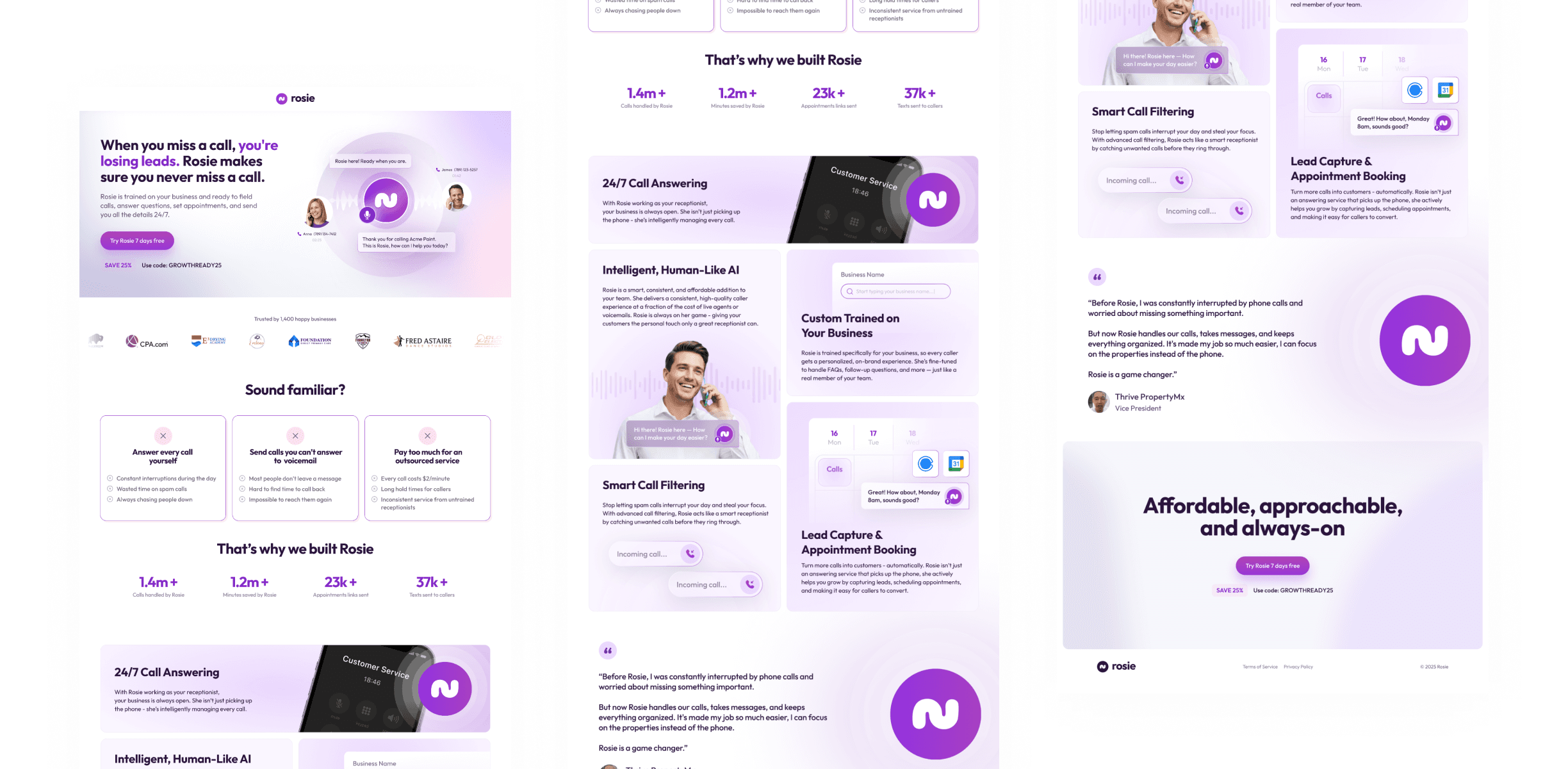
Rosie is an AI phone answering agent for small businesses. When a call comes in and nobody picks up, Rosie answers, handles the conversation, and books appointments, behaving like a real person on the line. This is perfect for the plumber who misses calls while on a job or the salon that can't always get to the phone.
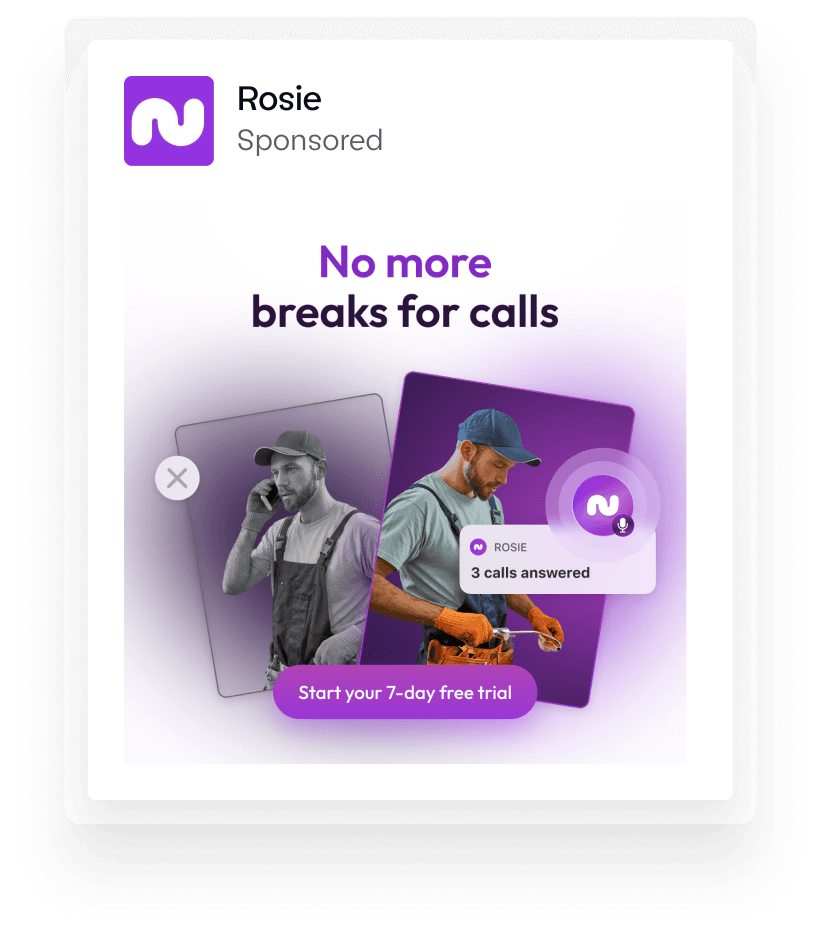
Rosie operates on a self-serve, product-led growth (PLG) basis and takes a very direct response advertising approach, reaching small business owners on Facebook and Instagram before they've even thought to search for a solution.
The challenge
Rosie launched into paid with early momentum. The previous agency produced strong UGC video creative, ran it on Meta with broad, untargeted reach, and signups climbed. But the results were misleading. There was no audience segmentation, no ICP-level targeting, no real strategy behind who the ads were reaching. The agency was finding needles in a haystack through sheer volume and good creative.
Once the low-hanging fruit was gone and existing demand saturated, cost per lead skyrocketed. The creative had been doing all the work, and without any targeting strategy behind it, the early traction had a shelf life.

Jordan Gal
Co-founder & CEO at Rosie
Looking for new growth, the agency recommended Google Performance Max, which proved how far out of their depth they were beyond Meta creative production. Signups spiked, but the wrong people were coming in. Lower funnel conversion rates dropped, and budget that had been driving results on Meta got absorbed by a campaign generating low-quality traffic.
The deeper issue was structural. The agency's strength was UGC video, not SaaS performance marketing. Google was barely touched. Tracking and conversion events had gaps nobody had caught. And all the creative was top-of-funnel awareness, with nothing to educate prospects, retarget warm leads, or move someone who had shown intent toward actually starting a trial.
Jordan needed one partner with real performance marketing expertise across channels, not a creative shop running ads on the side.
Our approach
Rosie came to us with campaigns still running, signups still coming in, and one clear instruction from Jordan: do no harm.
We kept what was working, fixed what wasn't, and built the layers that were missing: proper conversion tracking, channel expansion into Google, and a full-funnel creative strategy.
Most importantly, we reoriented every campaign around the metric Jordan actually cared about: not raw signups, but signups that put a card on file to start a trial. That focus on signup quality over signup volume shaped everything that followed.
Here's how we did it.
Transition without disruption
The previous agency had built campaigns that worked. We kept them running. Rather than rebuilding from scratch, we used December as the handover window, a lower-stakes month given the noise around the holiday period on the ad platforms.
Jordan's plan was to come out fast in January. We treated December as the transition, got everything transferred, and launched new campaigns on top of a stable base at the start of the new year.
Jordan Gal
Co-founder & CEO at Rosie






Want results like these for your B2B SaaS?
Get high-quality signups and demos that convert into customers and opportunities—all with paid marketing.
Fix the foundation first
Before scaling anything, we audited the accounts. Tracking was partially broken. Conversion events weren't set up correctly. The reporting couldn't be trusted, and campaigns running on unreliable data produce unreliable decisions.
We worked through what was correctly set up, what wasn't, and what needed fixing, then got the foundation in order. Every budget call and every test that followed was based on something real.
Jordan Gal
Co-founder & CEO at Rosie
Expand the channel mix
Before Hey Digital, Rosie was running 95% Meta and 5% Google. Almost the entire search opportunity was untouched.
We added competitive keywords, built landing pages matched to the ad and channel the visitor came from instead of sending everyone to the home page, and got Google set up properly. Within weeks, it became a meaningful part of the channel mix.
Jordan Gal
Co-founder & CEO at Rosie
Build the full funnel
The previous setup put all the creative weight at the top of the funnel: awareness video designed to generate signups. What was missing was creative built for people who had already shown intent, the mid and bottom funnel.
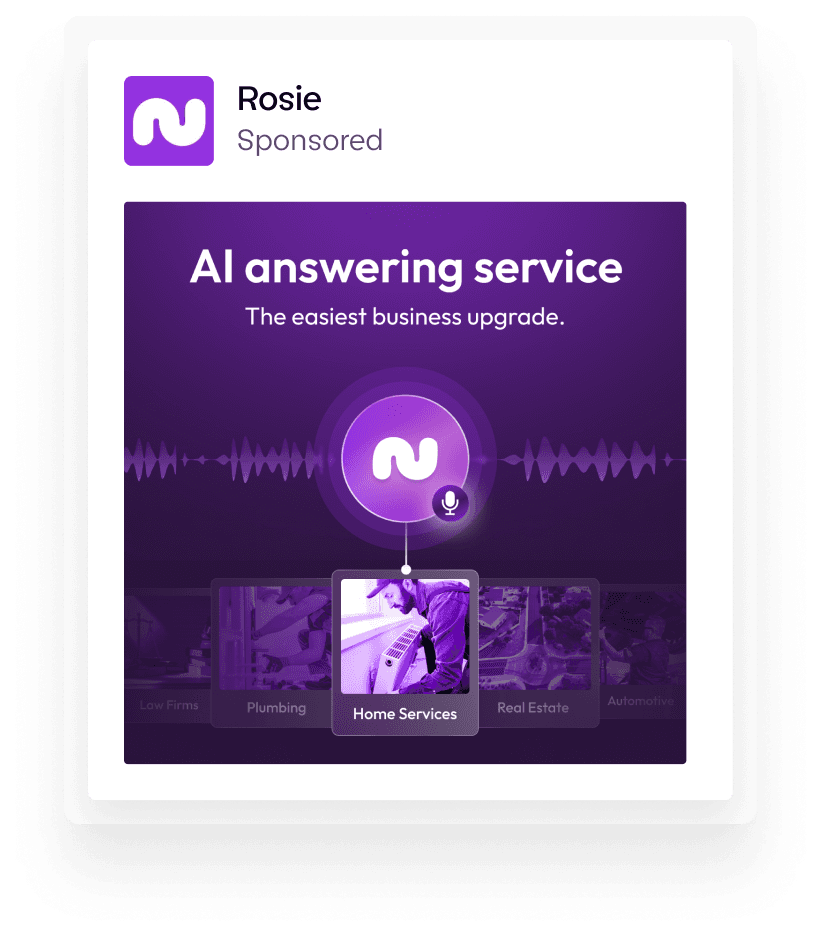
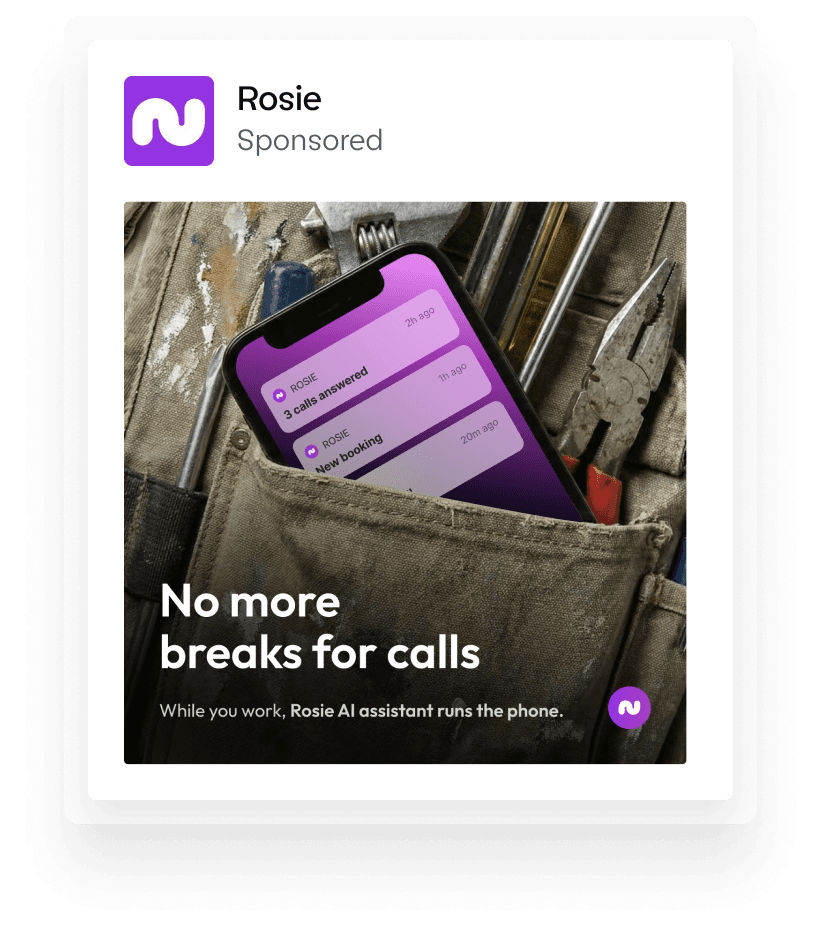
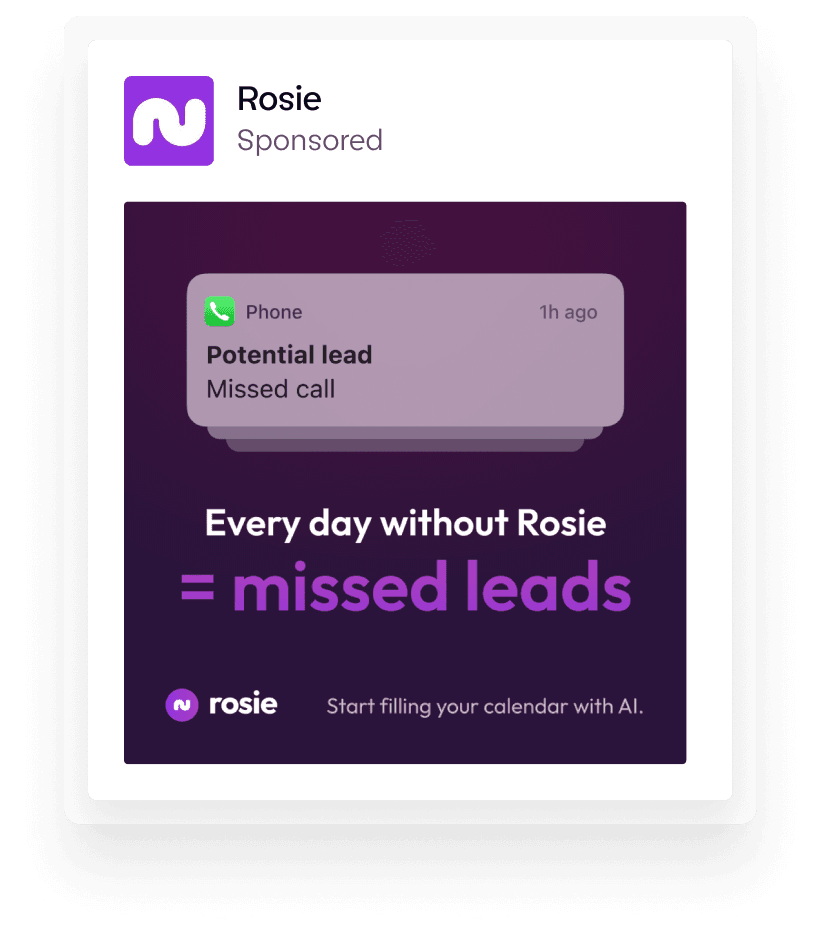
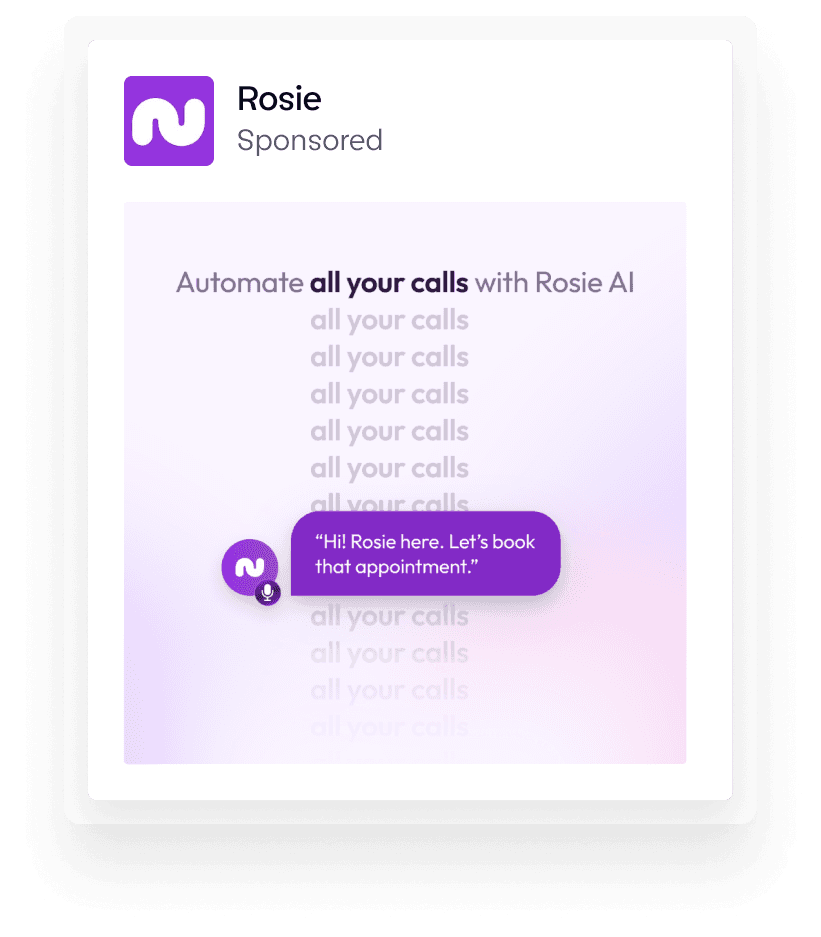
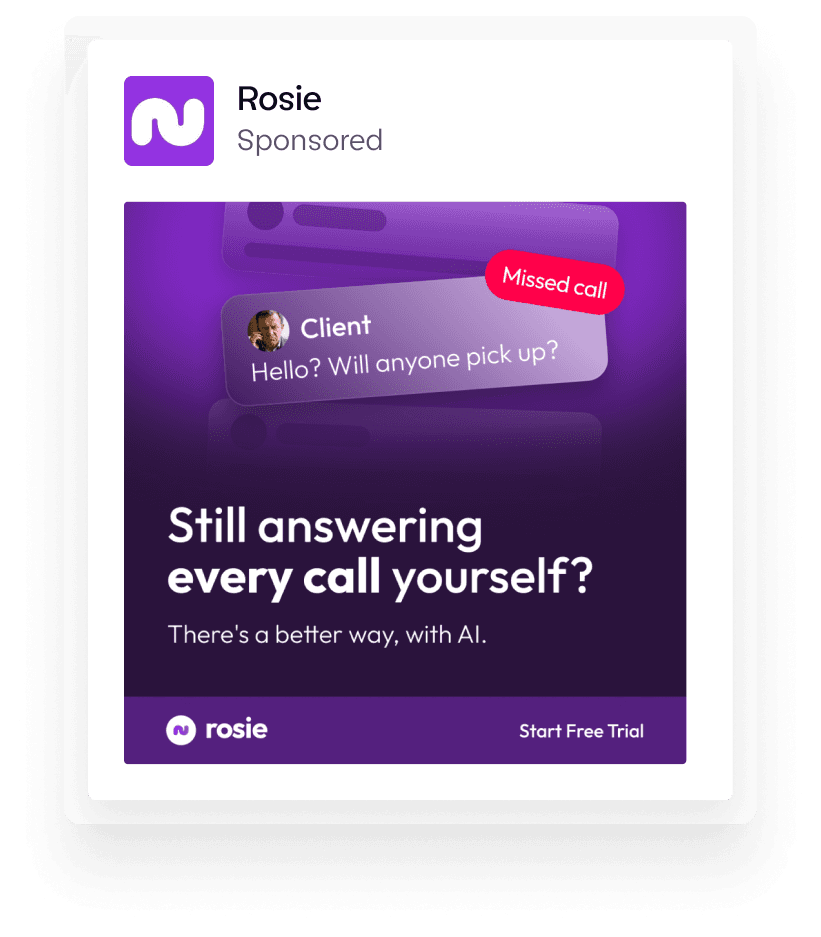
We introduced a static ad strategy for retargeting and lower-funnel conversion. And we reoriented the reporting around the metric that actually mattered to Jordan.
"I don't care about signups," said Jordan. "I care about signups with a card on file."
That shift, from volume to quality, shaped how campaigns were structured, what we optimized toward, and where creative attention went.
Jordan Gal
Co-founder & CEO at Rosie
Results
Three months in, the signups look the same on paper. The difference is what those signups do next.
Comparing the three months before Hey Digital against the first three months with us, at the same ad spend and similar signup volumes, the shift in quality is clear.
The percent of signups adding a card on file and starting a trial grew significantly.
Same spend, same signup volume, 67% more trials. Every card-on-file conversion costs significantly less to acquire.
Once a card is on file, Rosie's product converts ~30% to customers. So Hey Digital campaigns can be tied directly to revenue growth.
The card-on-file metric is central to Rosie's growth model. Their product is freemium: anyone can sign up and explore for free, but the business only grows when users commit to a trial by adding a payment method.
That action unlocks the full product, lets users go live, and means Rosie already has a card to charge when the trial ends. It's the strongest leading indicator of a paying customer, and it's the point where a signup becomes genuinely valuable.
Shifting the percentage of signups that reach this point from 30% to over 50%, at the same spend, didn't just improve a metric. It changed the unit economics of Rosie's entire acquisition funnel.
"I came in and I said, we're currently at somewhere around 30% of trials at a card on file, and I want it to get to 50%," said Jordan. "Here we are three months in, and we are now at 50%—so I'm very happy with that."
RESULTS